
I would consider myself a single-player gamer. Rarely do I invest time in games that require logging in with friends or interacting with others. This hasn’t always been the case, though; I remember having a great time growing up with split-screen racing games and Dynasty Warriors. But outside of a few indie initiatives, the co-op market is largely relegated to online experiences, with many developers removing local co-op altogether. Developer Hazelight Studios has consistently pushed back against this trend by creating games that require a second player to progress, which is apparent in their newest title, Split Fiction. In perhaps the most insane marketing feature ever—similar to It Takes Two—if you buy the game, you can share it with a friend to play for free. But I digress. Split Fiction may share the same co-op foundation as Hazelight’s previous games, yet its focus on friendship and overcoming wild challenges allows it to stand out significantly in the space the studio now dominates.
The Story: A Unique Premise with Depth

Split Fiction opens with two unpublished writers, Mia and Zoe, following the instructions for an unusual publishing opportunity. Though they don’t know each other, both dream of one day becoming published authors—you and me both, sisters. Upon arriving at Rader Publishing, things get weird: they’re instructed to stand inside futuristic orbs with the promise that once the process is complete, they’ll each have a published book. However, Mia grows suspicious and tries to leave, only to be pushed inside Zoe’s orb—and that’s where our adventure begins. For context, Rader has been extracting ideas from writers to create AI-assisted literature, hoping the algorithm can better enhance stories than the authors themselves.
None of these people signed up for this, and Mia’s stunt might be the first step in stopping the tech from being fully realized. It’s also made clear early on that Mia does not want to be friends with Zoe. The fact that these two can’t get anywhere without each other might spoil the theme of opposite personalities working together, but the narrative soon branches out to explore what made them want to start writing in the first place. Oh, and I almost forgot to mention that the machine they’re stuck in is glitching. They decide that if they cause enough chaos in the story ideas they’re now living in, they might prevent the machine from extracting their thoughts.
From here, the narrative gains some depth, but I’d hate to spoil certain plot threads. Many of the most important lore details come from optional side stories, which are crucial if you want to fully understand these characters. Each level and side story offers a glimpse into their struggles and challenges, and these elements show up in both the level design and various set pieces. It’s a clever way to flesh out the characters’ new friendship over the roughly 12-hour runtime. That said, the way the narrative is arranged greatly impacts pacing—supporting plot points often get put on hold for smaller side plots, and players just have to wait to get back on track. This messy structure likely mirrors how Mia and Zoe don’t really know each other yet, but it can still feel disjointed.
Gameplay: A Mix of Genres and Challenges
Regardless of how interesting each level is, Split Fiction doesn’t really encourage you to explore. There are no collectibles or real reasons to wander off the beaten path, which is a shame because the stages feel like they were once designed to support hidden items. Each level is fairly large, but still mostly linear, mixing platforming, puzzles, and teamwork elements that require cooperative play to progress. Further, each level boasts several unique gimmicks that keep the gameplay fresh.
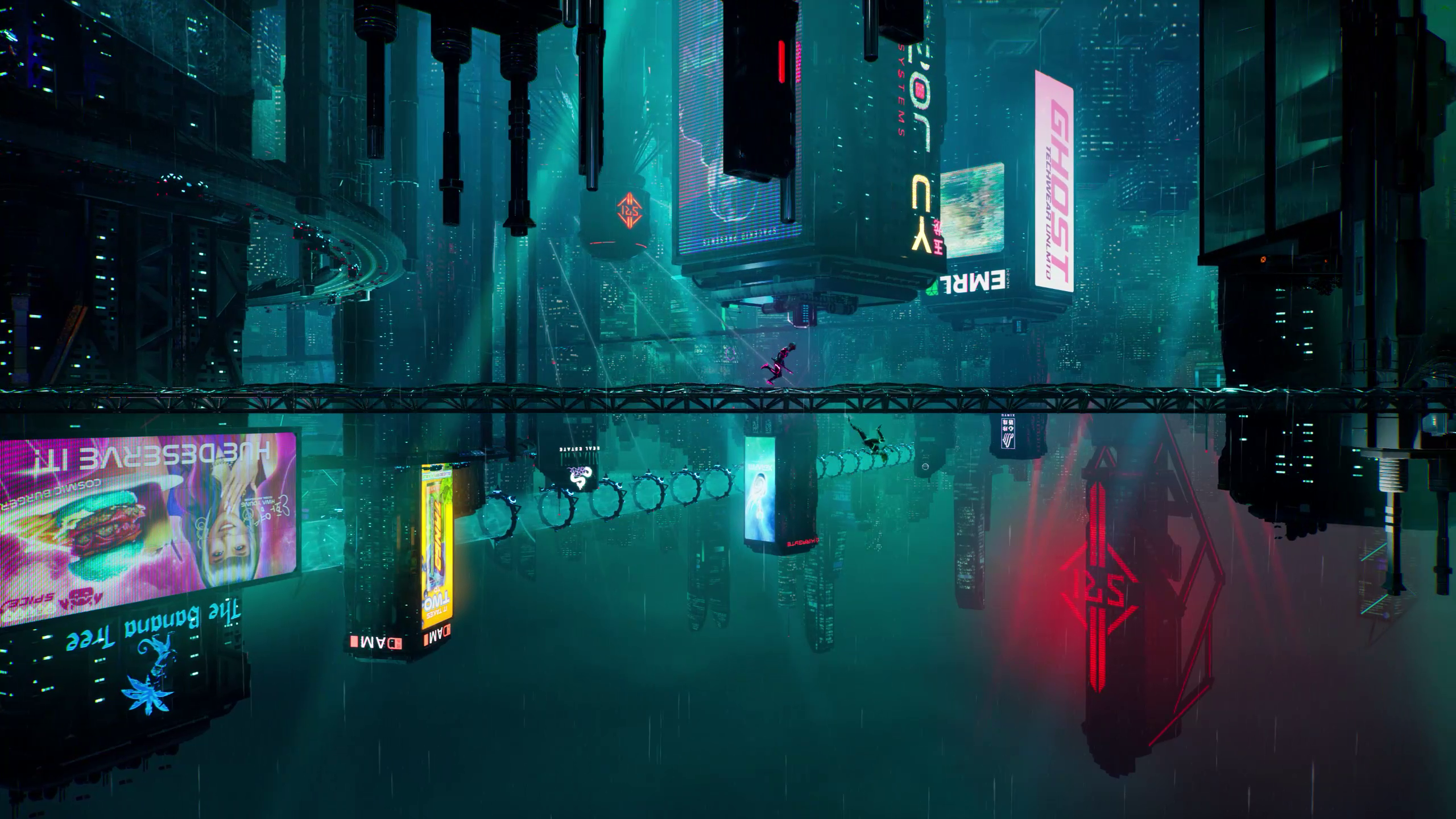
This game is probably best for players who thrive on constant change, given how often it switches genres. It’s as if Hazelight took every possible idea they had for their next project and crammed it all into one co-op package. But they don’t stop there; they also draw inspiration from Turtles in Time, Sonic, Portal, and more. In practice, it can be mentally exhausting to repeatedly shift tactics and play styles. While the game does a decent job reusing certain ideas, I found that taking breaks between levels was the best way to stay engaged.
The platforming itself feels tight and fun, but the ever-changing rules mean you can never get too comfortable—the moment you do, something is bound to kill you. Luckily, checkpoints are never far away. Sometimes you have to mash a button to revive, but failing puzzles happens often, and I ended up enjoying those moments the most. I stopped rushing through stages—partly to avoid extra trial and error—because simply taking a moment to examine a room usually reveals what needs to be done. Plus, the forced communication to solve puzzles together is incredibly fun.
Difficulty and Co-Op Dynamics
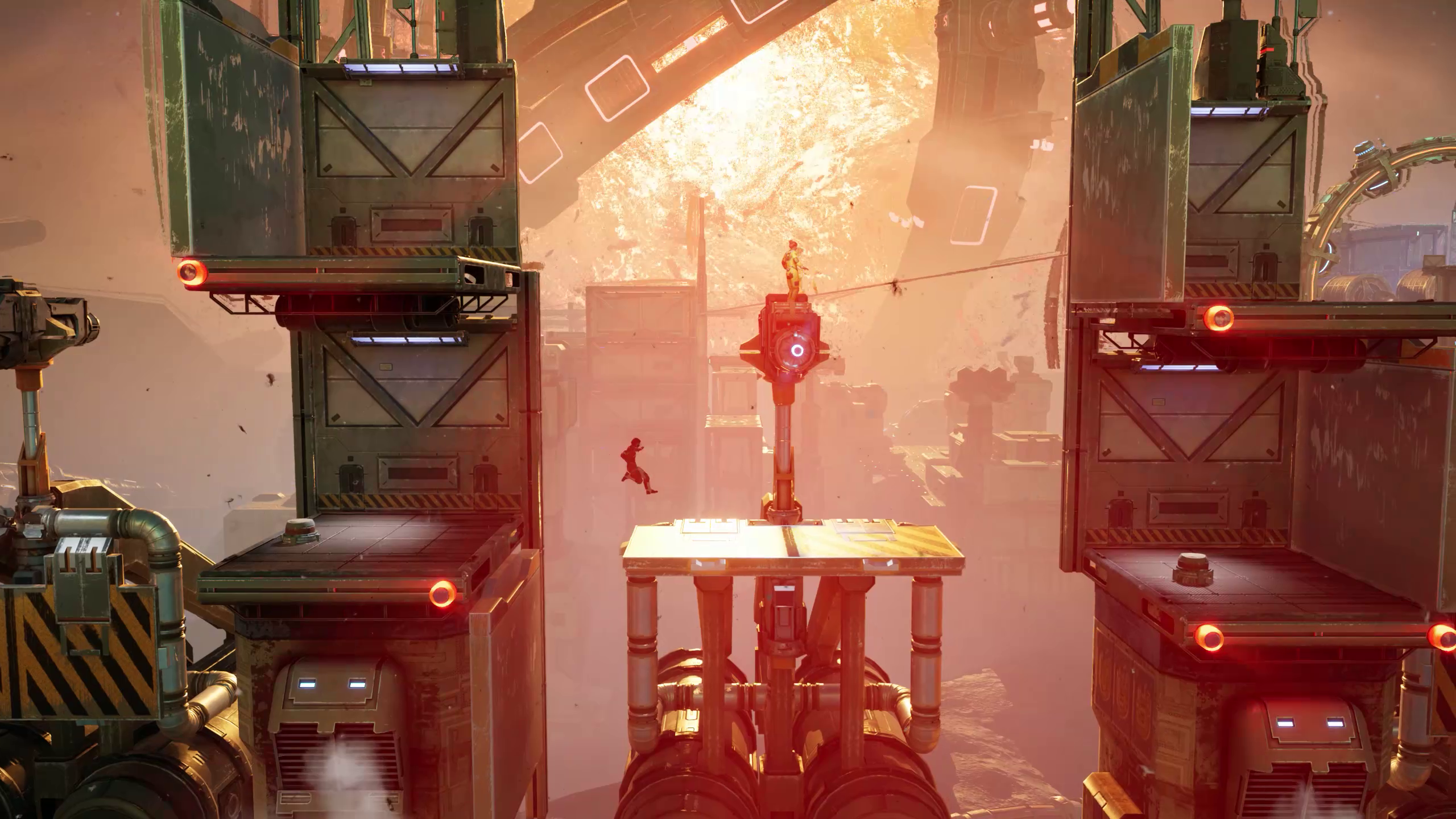
As I mentioned, Split Fiction can be quite challenging. It’s tough to point out every skill check because the game tosses so many different genres your way, but each stage has its moments. I liked the steady difficulty curve, though players accustomed to the more straightforward platforming in It Takes Two might not appreciate this game’s more methodical and mature co-op design. Still, don’t let that scare you off; while the themes can be heavy, the game knows how to have fun with references and side stories. I’m sure you’ve seen the pig.
Narrative Flaws and Strengths
Split Fiction’s biggest flaw is that it often feels unfocused. I understand that might be intentional within the gameplay, but overall, the narrative and its plot devices come off as heavy-handed. The epic ending makes the entire journey worthwhile, but getting there involves some of the dullest dialogue scenes imaginable. The characters’ relationship is well-developed, yet it feels like the scenario writing is intentionally bland just to make the conclusion more impactful. Playing with a friend can also be tricky because it’s hard to pay attention when you’re both making jokes about how boring the on-screen drama is. Although everything ties together eventually, the path leading there is a slog.
Conclusion: A Fun Co-Op Experience
Co-op fans are the real winners here, because the cooperative gameplay is imaginative, challenging, and incredibly fun. The level design brims with charm, and various gimmicks encourage creative solutions. Not everything is spelled out, and the game switches genres again just when you get comfortable. Regardless of any minor complaints, I can’t deny that playing with friends is some of the most fun I’ve had in a long time. I’d love to see more co-op games, or at least more developers including local co-op—yeah, I’m looking at you, Armored Core VI. Hazelight has effectively laid the groundwork for countless co-op titles, giving other developers a solid springboard to run with. Unfortunately, that same frenetic approach also hurts Split Fiction, as it rarely has time to let each mechanic fully evolve before moving on.
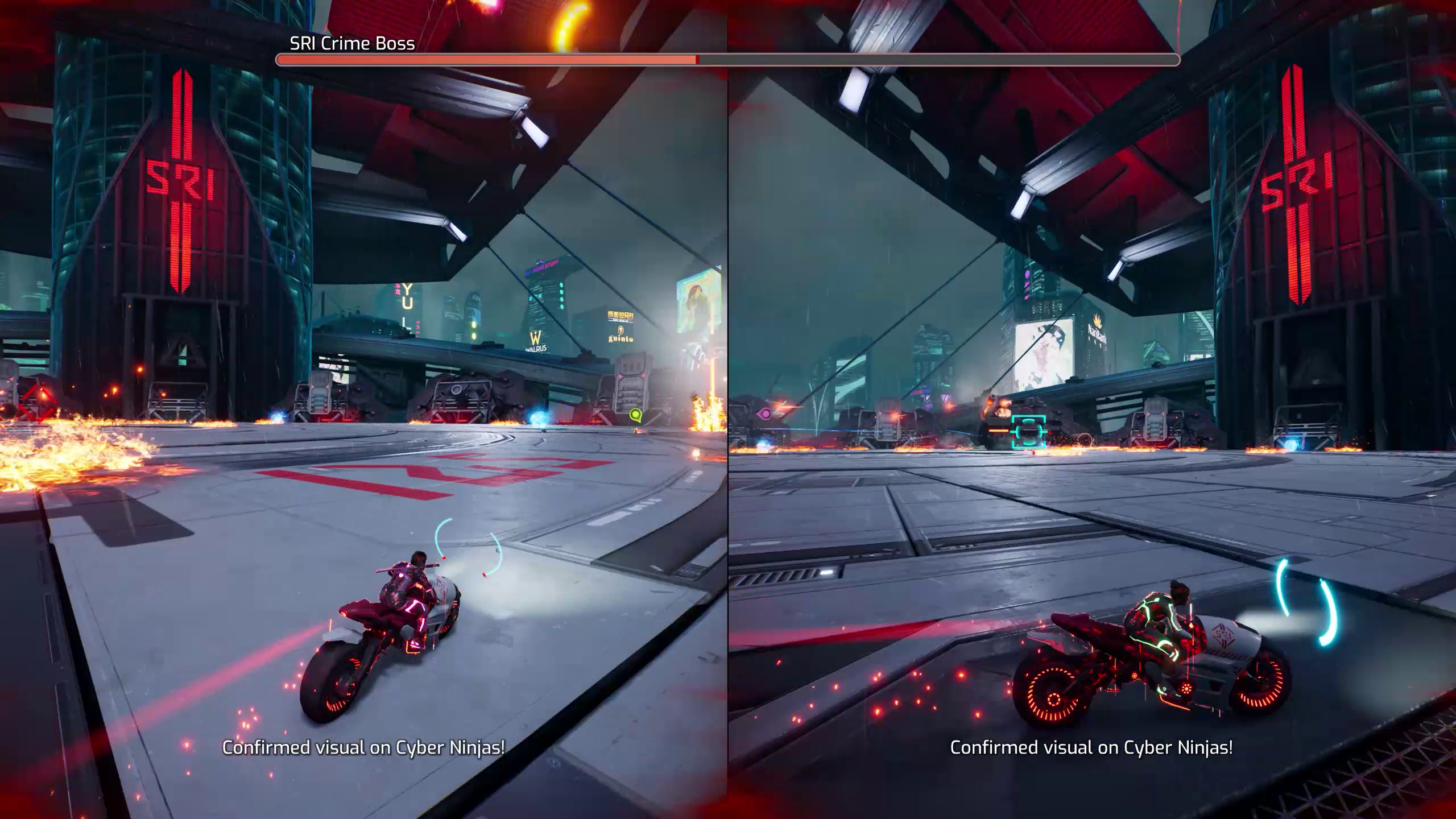
Ultimately, Split Fiction shows us that we’re capable of doing difficult things, even with total strangers. The differences that divide us stop mattering when a spinning saw or laser is headed your way. While the narrative can be overdramatic and unfocused, it does pull everything together in the end. The constant jumps across genres are brilliant on paper but can feel exhausting over multiple hours of play. Still, this is undeniably a fun experience. It may not deliver the same emotional impact as It Takes Two, yet it caters to the more hardcore crowd with something a bit different—though sometimes very challenging.
Split Fiction (PC)
Split Fiction is a wildly imaginative co-op adventure that thrives on unpredictability. Hazelight Studios masterfully blends platforming, puzzles, and genre shifts into a thrilling yet sometimes overwhelming experience. While its narrative structure can feel disjointed, the inventive gameplay and forced collaboration make it a must-play for co-op fans.
The Good
- Inventive co-op gameplay – Requires teamwork in creative and challenging ways.
- Diverse level design – Each stage introduces unique mechanics and surprises.
- Engaging character dynamics – The evolving friendship between Mia and Zoe adds depth.
The Bad
- Unfocused storytelling – The narrative jumps between plot points, impacting pacing.
- Lack of exploration rewards – No collectibles or strong incentives for off-path exploration.
- Mentally exhausting gameplay shifts – Constant genre changes can be overwhelming.
