
Thunder Lotus has built a reputation for emotional storytelling, but its next project pushes those instincts into a very different space. During GDC 2026, I spent about 20 minutes playing At Fate’s End, the studio’s newest project that blends sword combat with a story centered on family conflict. While the team is still holding story elements close to their chest, the short time I spent with the game made it clear that they don’t like treading old ground with gameplay systems. This game pairs the narrative weight you may know them for with a challenging, addictive combat system, creating an experience that feels distinct from anything else in their catalog.
Thunder Lotus’ History of Reinvention

For those unfamiliar with Thunder Lotus’ history, the studio has rarely stayed in one genre for long. The team first gained attention with Jotun, shifted to the roguelike structure of Sundered, and later surprised players with the reflective management adventure Spiritfarer. At Fate’s End continues that pattern of reinvention. Instead of revisiting past successes with sequels, the developers are exploring something new again, this time building a single-player action adventure that still carries the emotional themes the studio has gravitated toward in previous projects.
Story and Premise
At Fate’s End follows Shan, the heir of the powerful Hemlock clan and the wielder of the legendary God Sword Aesus. Her journey revolves around confronting her estranged siblings in a series of intense duels that shape the future of her family. It’s a premise that immediately stands out because the game isn’t asking Shan to defeat distant villains or monsters disconnected from her life. Instead, the people she faces carry shared history and unresolved tension. Thunder Lotus has described the concept as a game where you “fight the ones you love,” and even within the short demo I played, that idea already felt central to the tone.
What stood out most was the pressure placed on Shan as a character. In this case, she isn’t written as a wandering hero discovering her purpose along the way. From the moment the story begins, she carries the expectations of her family name and the responsibility of leadership. There’s a sense that everyone around her believes she should succeed. The role of heir isn’t optional, and that pressure shapes the way she approaches every encounter. At the same time, the story hints that Shan may not be entirely in control of her own path. The idea of fate lingers over the narrative, suggesting that even someone raised to lead might still be fighting against forces larger than themselves.
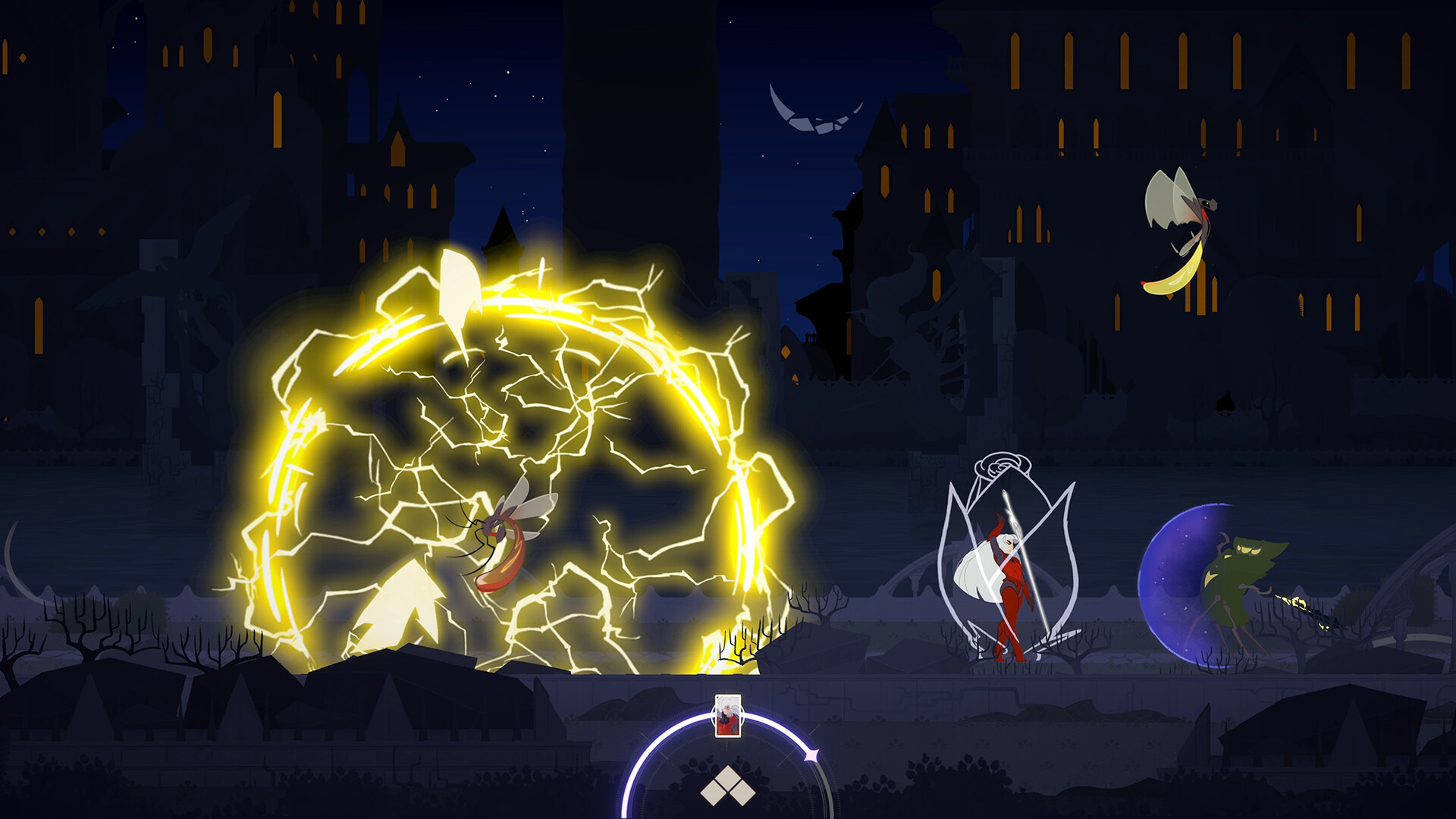
Despite that weight, Shan doesn’t come across as bitter or reluctant. Instead, she carries herself with a quiet confidence that reflects her upbringing and training. She approaches confrontations with a sense of discipline and purpose, and that mindset becomes especially visible once the combat begins. The game doesn’t need to repeatedly tell players that Shan is capable since you can feel it in the way she moves and fights.
Combat and Gameplay
Combat came pretty naturally to me in my short time with the game. Shan’s sword strikes feel deliberate and weighty, giving the swings of the God Sword a sense of impact. The controls encourage movement and positioning over spamming attacks, which requires some semblance of planning. Dodging, repositioning, and countering enemies all felt natural within minutes, and the encounter with Hemlock demanded that I bring everything I’d learned together.
That responsiveness is supported by Thunder Lotus’ signature hand-drawn animation style. The studio has always placed a strong emphasis on expressive visuals, and At Fate’s End continues that tradition with fluid character movement and detailed environments. Shan’s posture and movement communicate confidence, and her attacks carry a clarity that keeps the action readable even when multiple attack animations are covering the screen.
What I found particularly interesting is how well the combat reflects Shan’s personality. She doesn’t fight like someone improvising their way through danger. Her movements feel composed and controlled, as her battle movements reflect the training the player takes her through between fights, which requires some platforming knowledge.
Confronting the Hemlock Clan
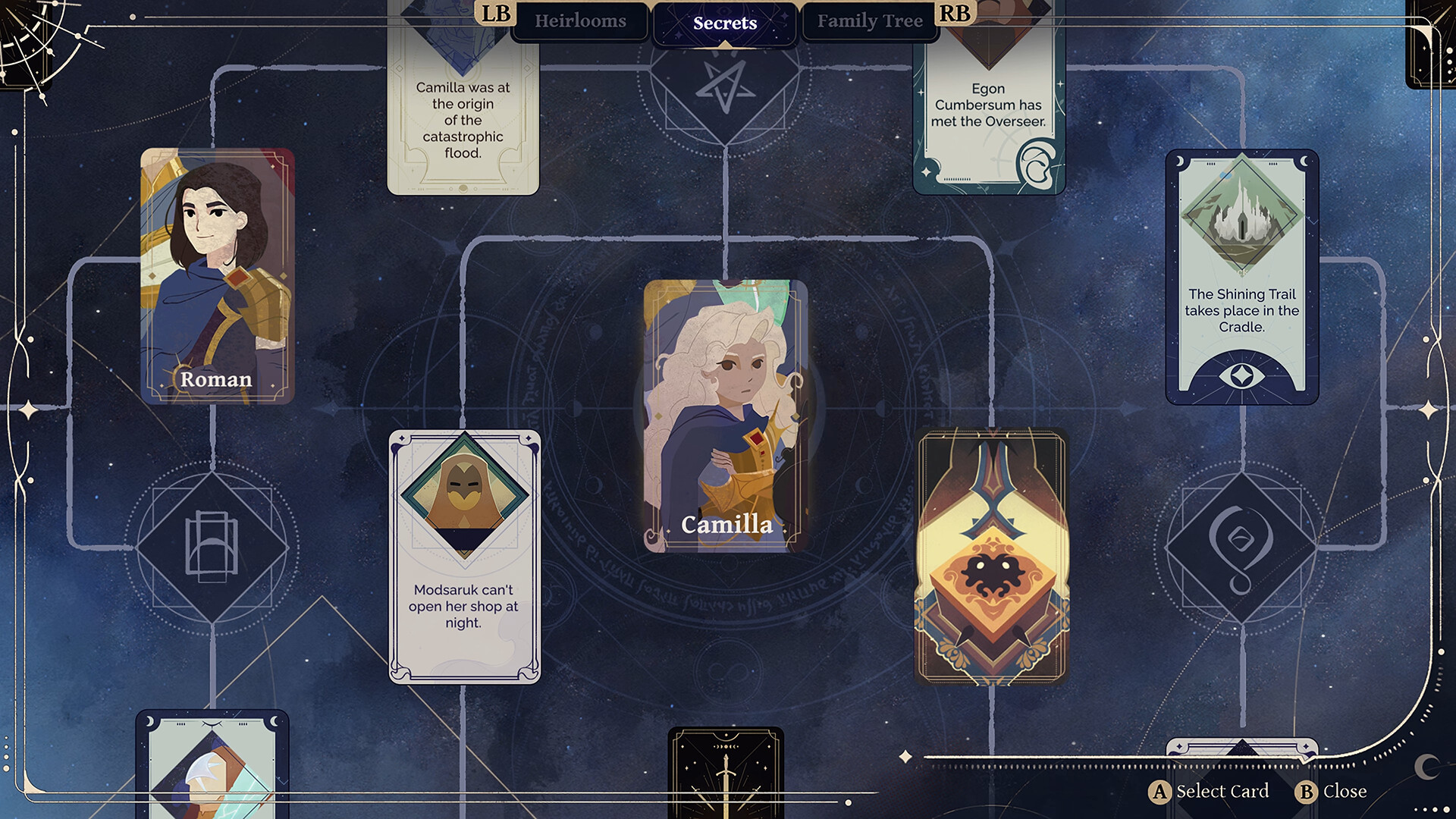
The developers also explained that Shan’s confrontations with her siblings will involve more than straightforward battles. Dialogue and psychological insight play a role in shaping those encounters, allowing players to use knowledge of family history and personal motivations during key moments. Understanding a sibling’s past or emotional state can influence how those duels unfold, which adds another layer to the idea that these confrontations carry emotional stakes beyond simply winning a fight.
Outside of Hemlock, I didn’t reach any of the other major duels during my short session, but the concept alone is intriguing. The thought of approaching a climactic encounter with knowledge about a sibling’s fears or motivations suggests these battles may carry more narrative tension than a typical boss fight. It reinforces the central idea that Shan’s greatest challenges aren’t invaders, but the people she once trusted the most.
Development and Studio Philosophy
Speaking with the developers at GDC also made it clear that this shift toward action wasn’t a sudden decision. Development on At Fate’s End began in 2021 as the team was wrapping up the final updates for Spiritfarer. Rather than moving directly into a sequel, the studio chose to pursue a completely different structure while keeping its focus on emotionally driven storytelling. The result is a project that feels structurally new while still reflecting the themes Thunder Lotus has explored in the past.
Looking back at the studio’s catalog, that willingness to experiment seems to be part of its identity. Each of its games explores a different genre, and the team appears comfortable leaving familiar territory behind to tackle something new. That mindset came through clearly during my conversations with them. They spoke openly about challenging themselves creatively and using each project as an opportunity to try ideas they haven’t attempted before.
Final Thoughts
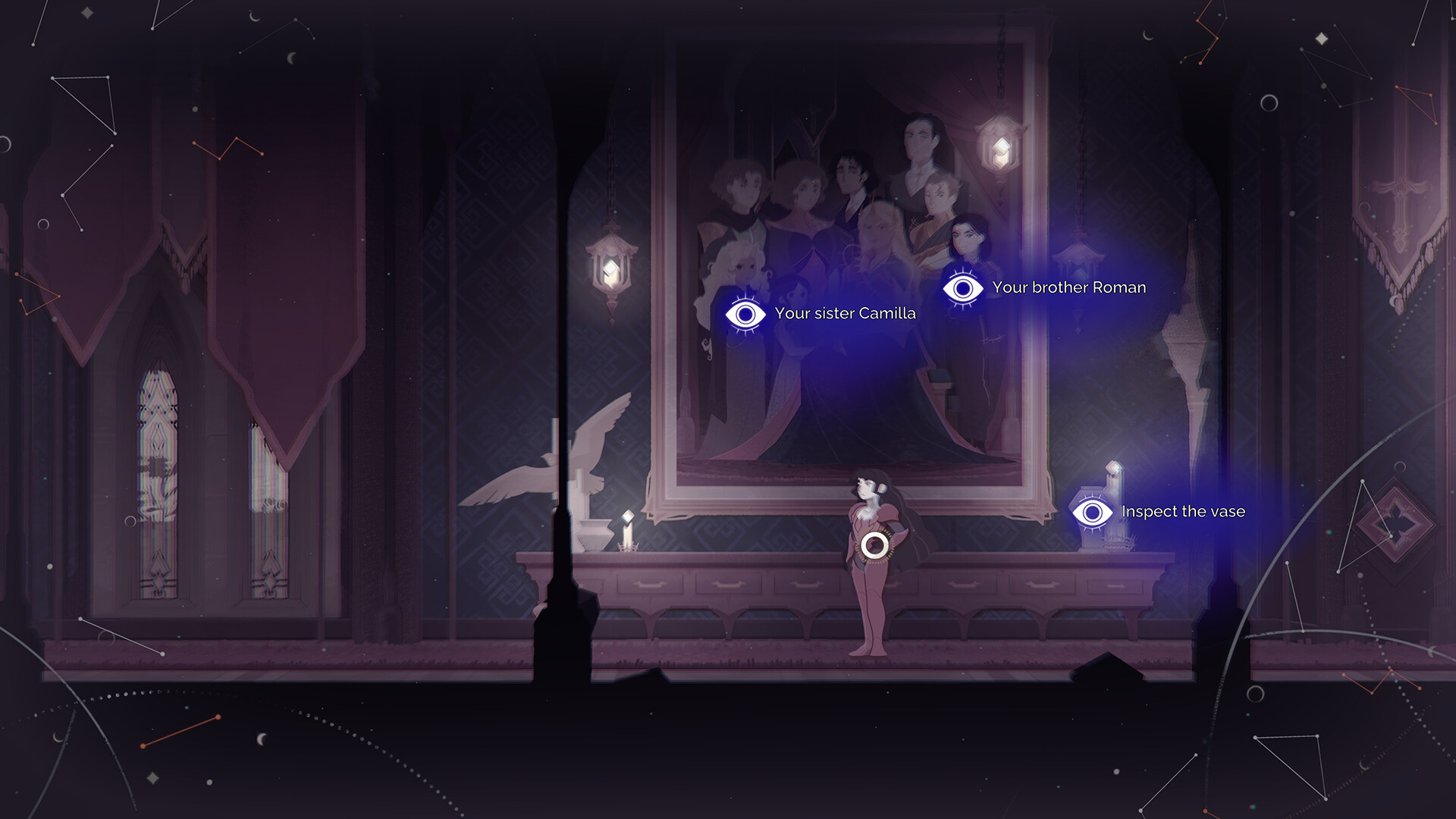
After about 20 minutes with At Fate’s End, it’s obviously too early to draw conclusions about the full experience. Still, the early signs are encouraging. The combat already feels polished and satisfying, and Shan’s story hints at a deeper exploration of family responsibility and personal agency. The hand-drawn visuals give the game a unique identity, while the premise of confronting estranged siblings suggests the narrative could carry the emotional weight Thunder Lotus fans have come to expect.
If the full game builds on what I experienced during this short demo, At Fate’s End could become one of the more compelling action-adventure games on the horizon. Thunder Lotus has never been a studio content with repeating itself, and this latest project looks like another step forward in that ongoing creative experiment. Based on this early look, it’s already an easy addition to my wishlist.
At Fate’s End is coming to PlayStation 5, Xbox Series, and PC via Steam in 2026.
