

No matter the franchise, there’s bound to be a point where it falls out of your favor due to some kind of change in direction. Regardless of whether it’s perceived as a minor stumble or a fundamental misstep, it is an inevitable part of IP growth.
I’ve experienced this firsthand with The Legend of Zelda; the current direction of those games from Breath of the Wild onward has become contrary to what I’ve always enjoyed from that series. Ratchet and Clank is another personal example, as the entries from the PlayStation 4 onward feel too sterilized.
A Personal History with Sonic
Yet, a more positive spin you can take from this phenomenon is that a negative direction can eventually shift into one you deem positive. For me, the most actualized example of this feat currently lies within the Sonic the Hedgehog franchise. Having grown up with this series since my childhood, around the early PS2 days, I have a natural affinity for that era and much of what came before, thanks to the Mega Collection.
Besides the classics, Sonic Heroes, Sonic Unleashed, Shadow the Hedgehog, Sonic and the Black Knight, and, much to my misfortune, Sonic and the Secret Rings, were key parts of how I enjoyed and got into this franchise. The Sonic X show was also a particularly major factor in keeping me invested.
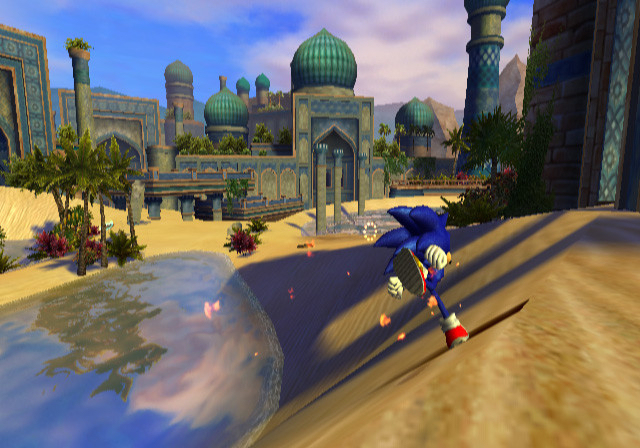
Of course, not every one of these titles was a home run, far from it in fact. But, regardless of nostalgia biases, there was usually an endearing, heartfelt soul in what embodied those titles. Between captivating risks, as seen in Shadow the Hedgehog’s multi-story route structure, and the emphasis on the vast cast in Sonic Heroes, almost every new part of the Sonic franchise I experienced made me more attached to its world.
The 2010s Decline
However, it was around the 2010s that my love for the Sonic IP became practically nonexistent. The natural cause would presumably be Sonic Boom, a broken Wii U-exclusive reboot of sorts that has long since become common knowledge. But while that game certainly played a role in my growing disinterest, it was also the identity crisis the series was facing collectively.
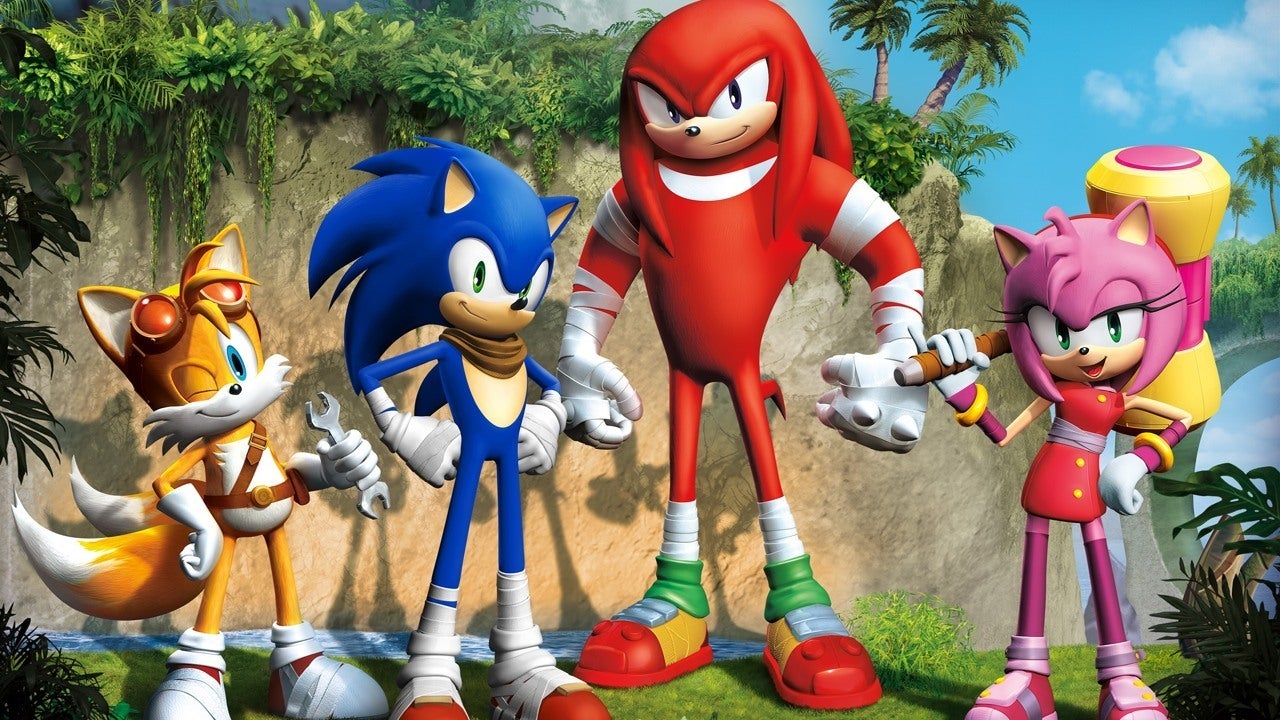
The writing of Sonic Colors on the Wii leaned into a more overtly juvenile tone that turned me off, while the lack of focus on Sonic’s allies and the overall extended cast was immeasurably disappointing. I know the common sentiment from outsiders and critics back in the day was that no one cares about Sonic’s friends, but, at least for me, that notion couldn’t be any further from the truth. Sonic himself is only one reason I fell in love with this series.
At the time, I was essentially ignorant of the comics, yet at least in the games, the semi-story focuses across a consistently growing cast grabbed me. Even outside the plot and writing, playing as other characters was just a neat concept to embrace, as their different designs and playstyles offered considerable scope and ongoing potential. Seeing all of that unceremoniously dismissed in favor of appeasing vocal crowds and critics who didn’t really seem to care about the series anyway felt like such a waste of growth. Then there was Sonic Forces, which featured the original cast, though the less said about that, the better. There was just no direction, no ambition, and quite honestly, no real care for so many years that I wrote the series off entirely.
The Sonic Frontiers Turning Point
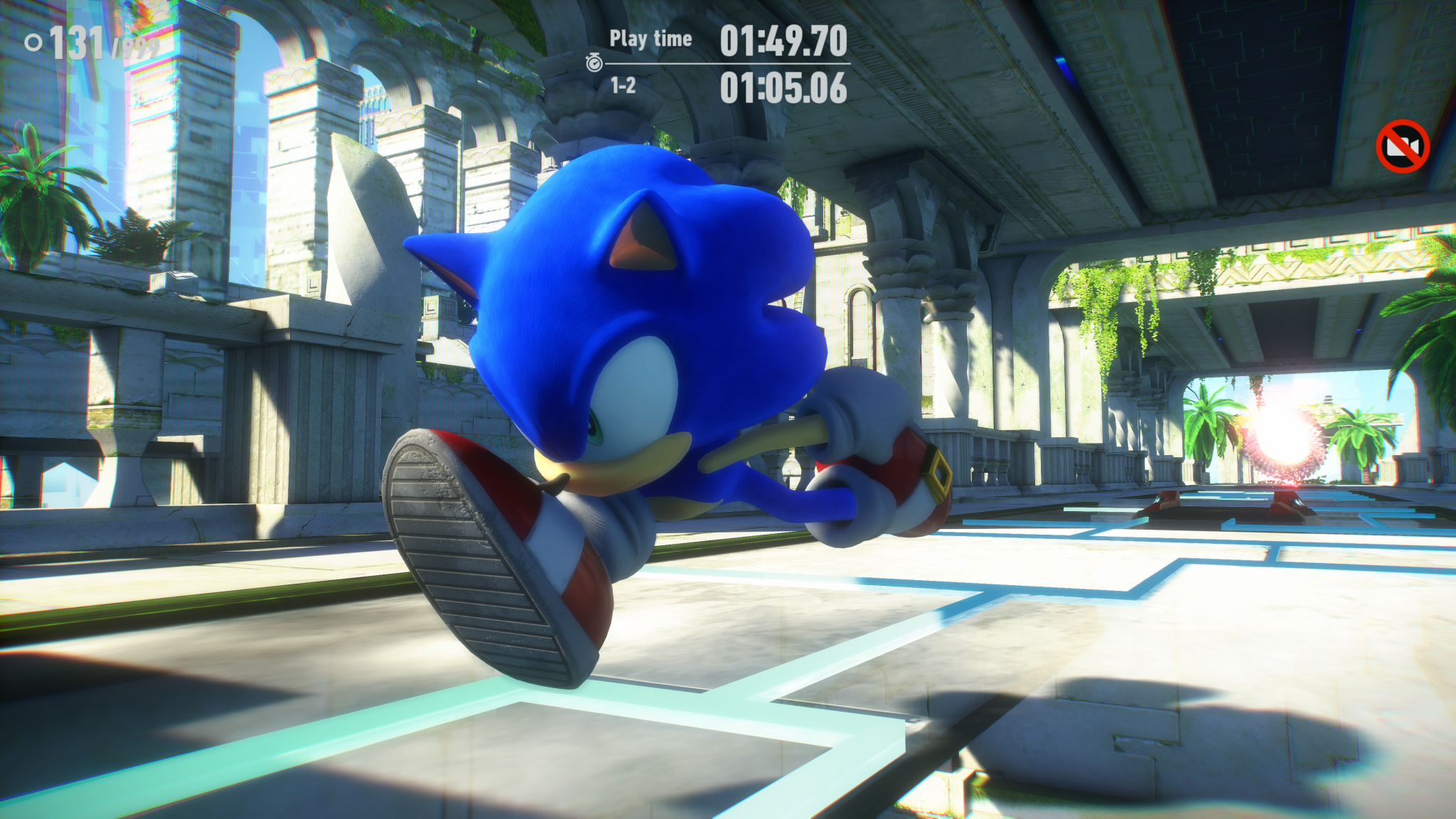
It wasn’t until Sonic Frontiers years later, that interest began to resurge, at least from a narrative lens. Many fans also have no shortage of issues with this entry, and while some are well-founded, I was primarily just taken aback by the writing. In a loosely similar vein to Kingdom Hearts, I find Sonic stories best when they take themselves seriously, and Frontiers understood that assignment. Sonic’s one-on-ones with Tails, Knuckles, and Amy were mostly terrific deep dives that re-established just who these characters are. I also adored Sonic’s struggles here, where he takes on the immense burdens of freeing the land, culminating in Rhea Island, one of my favorite sequences in the series.
Since Frontiers’ momentum has been relatively well maintained in the form of Sonic x Shadow Generations, Sonic Racing: Crossworlds, the IDW comics, and the outstanding third movie. We’ve reached a point where I’ve become legitimately excited by prospective major announcements.
Chaotix Casefiles Audio Drama
And the most recent addition to this lineup has come in a rather unexpected form: an audio drama called the Chaotix Casefiles. For those unaware, the audio drama follows the Chaotix Detective Agency helmed by Vector, Espio, and Charmy, who, outside of the much-maligned Sonic Forces, have been practically nonexistent in the games for an extensive duration, especially in a story capacity. The trio ends up involved in a case far above their pay grade, meeting familiar faces all as Vector regales this tale to a warden Eggman and fellow captured Sonic.
This episodic series turned out to be one of the most refreshingly welcome projects I’ve enjoyed in the Sonic IP for a plethora of reasons. A compelling framework, with Vector’s occasional storytelling liberties, returns of obscure characters in fully voiced contexts, and excellent character dynamics, is capped off by a brilliantly coalesced finale.
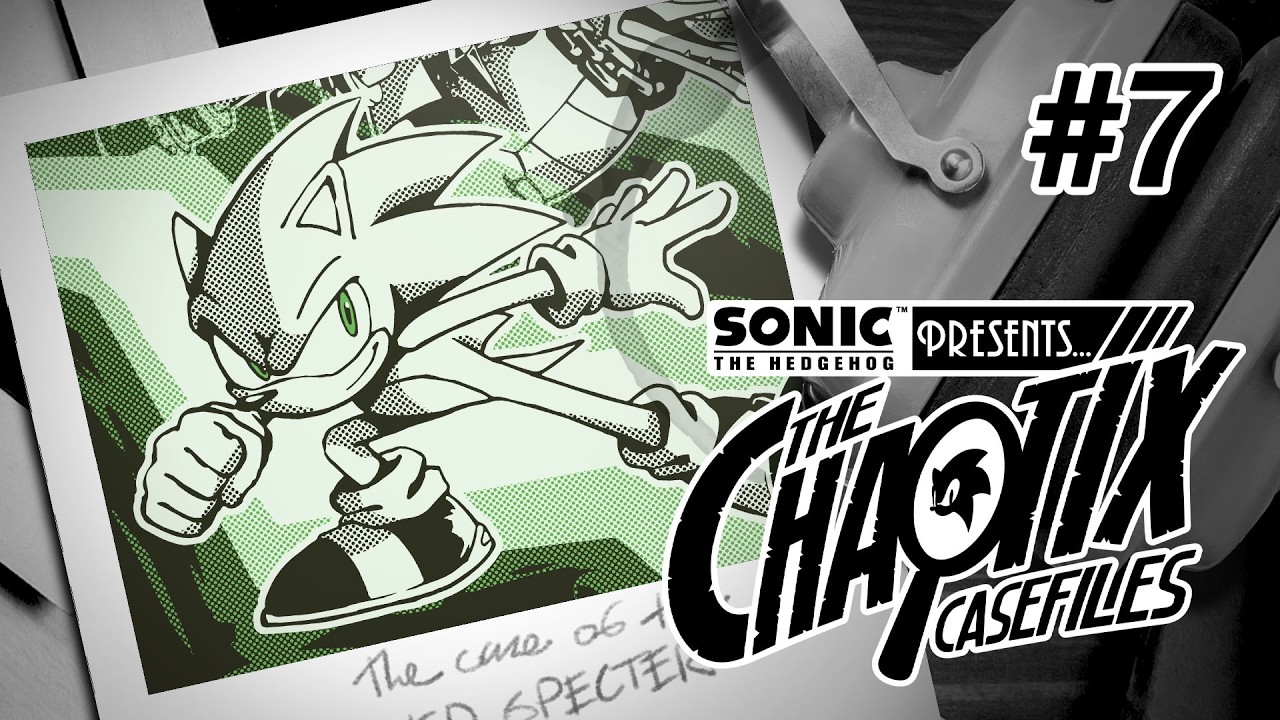
I can’t emphasize enough just how cathartic it was to see the likes of Vanilla, Gemerl, and direct references to established locations in a solely narrative-based experience. While many may not particularly care about this franchise’s plot consistencies or extended cast, the latter has always been a primary ingredient in my love for it. And the story canonicity helps illustrate larger-scale connective tissue. Admittedly, telling a strong narrative on its own merits should be the priority, but I certainly welcome the notion of connectivity to sensibly maintain these character relationships.
Closing Thoughts
The Chaotix Casefiles feels like a culmination of those strengths, still bold and new rather than overly restrictive or safe, cashing in on nostalgia. I never thought I’d ever see Vector take on a protagonist role, but it ended up being one of the most enjoyable decisions I’ve seen from this series in recent years.
I think that, in hindsight, the Chaotix Casefiles is an ideal way to still deliver new stories without games, which has only grown more arduous in recent years. For those enthralled by these characters, this series is a masterful bridge that I hope to see more of in the future, potentially with equally addictive theme songs.
Now, my current hope is that the main gameplay direction builds off the excellence of the Shadow Generations campaign, so that we don’t suffer from the quality dips I’ve become numbly accustomed to.
